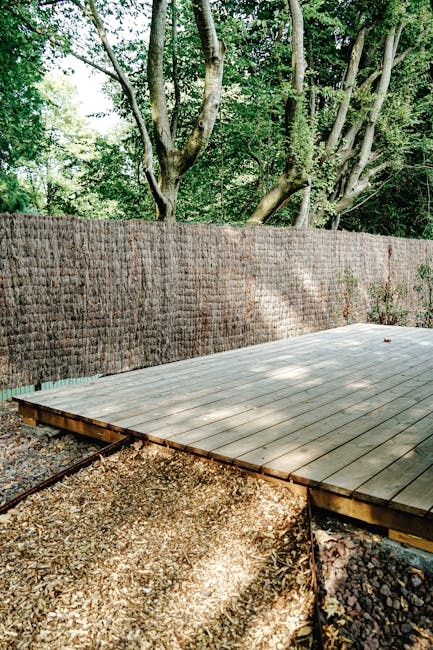
Before and after garden makeover by Upper Norwood gardeners
If your garden has gone from "almost there" to "where do we even start?", you are not alone. A before and after garden makeover by Upper Norwood gardeners is often less about dramatic spending and more about smart, local, well-timed improvements that make a tired outdoor space feel usable again. In Upper Norwood, where gardens can be compact, shaded, sloped, or just plain overgrown after a busy season, the right approach can completely change how the space looks and how you feel about using it. This guide walks through the process, the practical choices, and the kinds of transformations that actually last.
Whether you want a cleaner lawn, better structure, safer boundaries, or a garden that finally looks finished, the key is knowing what to tackle first. Let's get into it properly.
Why Before and after garden makeover by Upper Norwood gardeners Matters
A good garden makeover does more than tidy things up. It changes how a space functions day to day. In Upper Norwood, that often means turning a patchy, awkward, or overgrown garden into somewhere you can actually sit, garden, entertain, or let children and pets wander safely. The before-and-after difference is not just visual. You usually get better access, clearer edges, healthier planting, and a more manageable routine afterwards.
Truth be told, many gardens do not need a total rebuild. They need the right order of work. One week the space may look like a tangle of weeds, moss, and tired shrubs; the next, with practical clearance, careful shaping, and a few structural changes, it feels brighter and calmer. That shift matters, especially in a local area where outdoor space is valuable and often used in short bursts between work, school runs, and weekend life.
A well-planned makeover also helps prevent the cycle of "we'll sort it later." You know the one. The lawn gets patchier, the hedge gets wilder, the paving gets slippery, and suddenly the whole place feels bigger than the job itself. That is exactly where a methodical approach pays off.
Expert summary: A strong garden makeover is not just about style. It combines clearance, layout, hard landscaping, planting, and ongoing care so the finished space stays attractive instead of slipping back into chaos three weeks later.
How Before and after garden makeover by Upper Norwood gardeners Works
Most successful makeovers follow a simple pattern: assess, clear, shape, improve, finish, maintain. That sounds almost too neat, but it is usually the right way to avoid wasted effort. A garden that has been neglected for a while may need a proper reset before the attractive parts can shine through.
The process usually starts with a site review. This is where a gardener looks at sunlight, drainage, soil condition, boundary lines, existing planting, access points, and the practical use of each zone. A front garden may need structure and curb appeal. A rear garden might need privacy, seating, lawn recovery, or simpler maintenance. Different spaces, different priorities.
After the review comes clearance. That can include weed removal, hedge reshaping, cutting back overgrown growth, leaf clearing, and removing debris that hides the real shape of the space. If a lawn has thinned out or become uneven, work may also involve lawn care in Upper Norwood or regular mowing support to bring it back under control.
From there, the makeover begins to take form. That might mean new borders, refreshed planting, repaired fencing, a cleaner patio, or a better link between paths, seating and lawn. In some gardens, the most dramatic improvement comes from simple lines: trimmed hedges, a cleaned patio, and a sharper edge between planting and hard surfaces. It sounds basic, but the eye reads it as order. And order is powerful.
If the garden needs a broader redesign, local landscaping services in Upper Norwood can help reshape the layout rather than just tidy the surface. That is often the difference between a quick spruce-up and a transformation that genuinely feels new.
Key Benefits and Practical Advantages
The most obvious benefit is visual. Before-and-after photos tend to show sharper contrast, cleaner surfaces, stronger planting structure, and better use of colour and texture. But the practical advantages are just as important, sometimes more so.
- Less maintenance pressure: A well-designed garden is easier to keep tidy week to week.
- Better usability: You can move around safely, sit comfortably, and use the space with more confidence.
- Improved privacy: Hedges, screening planting, or fencing can make a garden feel more enclosed.
- Safer surfaces: Clearing moss, algae, and clutter reduces slips and trips.
- Healthier plants: Pruning, soil improvement, and better light access often give planting a second life.
- Stronger first impression: A tidy front or rear garden can lift the whole property's feel without being flashy.
There is also the simple emotional lift. You step outside in the morning, see something decent, and your shoulders drop a little. Small thing? Maybe. But it matters.
If you have ever stared at an overgrown corner and thought, "I genuinely do not know where to begin," a makeover gives you a clear starting line. That alone can remove a lot of stress.
Who This Is For and When It Makes Sense
This kind of project is a good fit for a few different people. Homeowners who want to sell or rent out a property often use a garden makeover to improve presentation. Families may want a safer, more open space for children. Pet owners often need cleaner boundaries, stronger surfaces, and less muddy chaos after rain. And then there are people who simply want to enjoy their own garden again. Fair enough.
It also makes sense if your garden has one or more of these issues:
- heavy weed growth or self-seeded plants taking over
- patchy grass or a worn lawn area
- hedges that block light or crowd paths
- old paving, decking, or patio areas that look tired
- poor privacy from nearby windows or neighbouring plots
- broken fencing or weak boundaries
- tree canopy problems causing deep shade
- no clear seating area or flow between zones
For people in Upper Norwood, the common pattern is a garden that still has good bones but needs the clutter stripping away. That is especially true in older plots where shrubs have outgrown their original purpose. Sometimes the answer is not more planting. It is less.
If the space is dominated by hedges that keep pushing outward, a focused trim can change the whole balance. Likewise, if a tree is pulling light away from the rest of the garden, careful work from tree surgery specialists may be the turning point.
Step-by-Step Guidance
Here is a straightforward way to think about a garden makeover, especially if you want the before-and-after result to feel substantial rather than cosmetic.
1. Start with a clear view of the space
Walk the garden at a slow pace and notice what you avoid. Muddy patches? A dark corner? The path you never use? Those are clues. A makeover should solve real usage problems, not just beautify the parts you already like.
2. Remove the worst distractions first
Cut back overgrowth, clear weeds, collect leaf litter, and remove anything broken or rotting. Once the mess is gone, the garden usually looks bigger. It is almost unfair how much difference that makes.
3. Decide on the main function
Ask what the garden needs to do most: entertain, play, grow plants, give privacy, or provide a calm escape. A garden that tries to do everything can end up doing nothing well. One clear purpose keeps decisions easier.
4. Repair the structure
This is the stage for fencing, edging, paths, patio washing, or simple layout changes. A worn patio can be refreshed through patio cleaning in Upper Norwood, which often makes the surrounding planting look better straight away. If decking is part of the garden, a tidy, well-kept surface can bring back the sense of a proper outdoor room.
5. Rebuild planting in layers
Use the garden in layers: structure first, then filler planting, then seasonal interest. Hedges and evergreen framework can create stability, while flower or herb planting adds life. For inspiration, many people like the practical ideas in the herb garden guide or the ground cover planting article.
6. Finish with maintenance planning
A makeover is not complete when the tools are packed away. It is complete when there is a sensible plan for mowing, trimming, and seasonal care. Without that, the old look sneaks back in.
For a lot of gardens, the smartest move is to set up ongoing garden maintenance support so the results hold up through spring and summer. That is especially useful if the space has many moving parts. And many do.
Expert Tips for Better Results
There are a few small choices that make a makeover feel polished rather than rushed. These are the details people notice, even if they cannot quite explain why.
- Keep the palette controlled. Two or three main materials usually look better than five or six competing ones.
- Use repetition. Repeating plant shapes or edging styles helps a garden feel settled.
- Do not overfill borders. Space is part of the design. Leave room for growth.
- Think about year-round structure. Evergreen climbers, hedging, and good hard landscaping stop the garden looking bare in winter.
- Work with shade, not against it. If part of the garden is darker, choose plants and features suited to that condition.
Shade is a common challenge in local gardens. But shade is not a dead end. It can become a feature. In fact, a thoughtful planting plan can make those corners one of the nicest parts of the whole space. If you are dealing with difficult dark spots, the ideas in this evergreen climbers piece are worth a look.
Also, if you want the garden to feel calmer rather than busier, keep a little restraint in the design. A neat space with breathing room often feels more expensive than a packed one. Funny how that works.
Common Mistakes to Avoid
A garden makeover can go sideways when the planning is too vague. It happens all the time. The good news is the mistakes are predictable, which means they are avoidable.
Trying to solve everything at once
Big overhauls can get expensive and exhausting. It is usually better to prioritise the worst issues first and build from there.
Ignoring drainage and soil condition
If water sits in one area or the soil is compacted, planting struggles no matter how good the design looks. You do not need a grand lecture on soil science, just enough care to make sure the garden can support what you want to grow.
Choosing features before fixing the basics
People sometimes want a new seating area before they have dealt with weeds, uneven paving, or boundary problems. Lovely idea, wrong order.
Forgetting maintenance capacity
If you do not want to spend every weekend trimming and deadheading, design accordingly. A low-maintenance scheme can still look rich and thoughtful. It just needs the right structure.
Leaving the edges unfinished
Edges are where a makeover feels either complete or half-done. Clean borders, tidy fence lines, and clear transitions between lawn and paving matter a lot. A lot more than most people expect.
Tools, Resources and Recommendations
You do not need a van full of equipment to improve a garden, but the right tools make the work safer and faster. For most home projects, the practical basics are enough: good loppers, secateurs, a rake, a sturdy mower, a pressure washer or patio brush, gloves, a fork, and something for waste collection.
For more involved work, especially larger layouts or problem-heavy spaces, the value comes from combining practical tools with skilled labour. That is where professional gardening services can save time and stop a small error becoming a larger repair job. If you want a broader approach, general gardening services can cover a lot of the routine work without you having to coordinate every separate task.
Some useful supporting reads on the site include:
- a step-by-step approach to renewing a weedy garden
- efficient weed control tips
- container gardening ideas
- garden seating inspiration
Those are useful if your makeover includes planting, containment, or making a small space more liveable. They are the sort of guides that quietly help you avoid expensive guesses.
Law, Compliance, Standards, or Best Practice
For most domestic garden makeovers, the main concern is not complicated legal compliance. It is sensible best practice, neighbour awareness, and basic safety. That said, there are a few points worth keeping in mind in the UK context.
If work involves trees, larger branches, or anything near shared boundaries, it is wise to check who owns what before cutting. Tree work also needs to be handled carefully for safety. Heavy branches, hidden decay, and awkward fall lines can make things risky quickly. That is not the job for guesswork.
Fencing, retained levels, and boundary changes should also be planned with care, especially where neighbours share edges or access is tight. A tidy result is great. A tidy result that avoids disputes is even better.
For hard surfaces, keep an eye on slip risk, drainage, and the safe movement of water. In rainy weather, a clean patio or path can still become slippery if algae returns or runoff is poor. Regular cleaning and maintenance are part of responsible upkeep, not just appearance.
On the practical side, disposal of green waste should be handled properly and not dumped casually. Most professional teams will already work to standard waste-handling expectations, but it is always sensible to ask how cuttings, rubble, and removed material will be managed. Simple question, useful answer.
Options, Methods, or Comparison Table
Not every garden makeover needs the same level of work. Here is a simple comparison to help you decide what kind of approach fits your space.
| Method | Best for | Typical focus | What you gain |
|---|---|---|---|
| Refresh only | Gardens that are basically healthy but messy | Weeding, mowing, trimming, cleaning | Fast visual improvement, low disruption |
| Reset and improve | Gardens with tired layout or patchy areas | Clearance, repairs, re-edging, new planting | Better function and stronger structure |
| Full makeover | Gardens that feel unusable or badly dated | Layout changes, landscaping, hard landscaping, fencing, planting | Most dramatic before-and-after result |
The right option depends on time, budget, and what is already in the garden. To be fair, many people start with a refresh and then realise they want more. That is normal. The important thing is not rushing into a full rebuild if the space only needs a controlled reset.
If you are leaning towards a more structural transformation, it is worth looking at landscaping work, fencing improvements, or even a better seating zone through decking services. Those changes can make a garden feel properly finished, not just tidied.
Case Study or Real-World Example
Imagine a typical Upper Norwood rear garden: uneven lawn, a patio with moss along the joints, one hedge that has grown too broad, and a back corner full of weeds and old pots. The owners do not want something elaborate. They want it usable again. Honest enough.
The makeover starts with clearance. The weeds go, the hedge is cut back carefully, and the patio is cleaned so its original colour comes back through. The lawn is then levelled in the worst areas and put on a sensible maintenance routine. The fence line gets attention because one loose panel was making the whole back edge look neglected. Finally, a simple planting scheme is added with evergreen structure and a few seasonal fillers.
The difference is not just that it looks nicer in photos. The garden now has a clear route from the house to the seating area, the patio feels safe underfoot, and the space no longer feels like a collection of problems. It feels like a garden. That sounds obvious, but it really is the point.
And yes, sometimes the smallest before-and-after moment is the most satisfying. You step outside with a mug of tea on a cold morning, look around, and think, "Right, this is usable now." That feeling is underrated.
Practical Checklist
Use this checklist before starting a makeover, or when comparing quotes and plans.
- Walk the garden and note the worst problem areas.
- Decide whether you need a refresh, reset, or full transformation.
- Identify shade, drainage, access, and boundary issues.
- Clear weeds, debris, and overgrowth first.
- Check whether the lawn needs recovery or regular mowing support.
- Assess whether hedges, trees, or fencing need work.
- Consider patio or decking cleaning before replacing anything.
- Choose a clear purpose for the garden: relaxing, playing, entertaining, growing.
- Plan planting around light levels and maintenance time.
- Build in a maintenance routine so the result lasts.
If you are unsure where to begin, start with the worst visible issue and work outward. That is often enough to create momentum. Once the eye can see progress, the rest feels much less daunting.
Get a free quote today and see how much you can save.
Conclusion
A before and after garden makeover by Upper Norwood gardeners is really about making outdoor space feel intentional again. Not perfect. Just intentional, usable, and worth stepping into. That might mean a cleaner lawn, smarter borders, better shade handling, refreshed paving, or a fuller design that finally matches how you want to live.
The best results tend to come from practical decisions made in the right order. Clear first, shape next, improve the structure, then protect the outcome with sensible maintenance. Keep that rhythm in mind and you will usually avoid the expensive detours.
And if your garden has been bothering you for a while, there is nothing odd about wanting it sorted. People feel that way all the time. A good makeover does not just change the view from the back door. It changes how the space feels to use, day after day. That is the real win.
Frequently Asked Questions
What is included in a before and after garden makeover?
It can include clearance, weeding, hedge trimming, lawn recovery, patio cleaning, planting, fencing repairs, decking work, and broader landscaping. The exact mix depends on the state of the garden and the result you want.
How long does a garden makeover usually take?
That depends on the size of the garden and how much work is needed. A simple refresh may take a short visit, while a full redesign can take longer and may need several stages. Weather can also slow things down a bit.
Do I need a full redesign, or can I just refresh the space?
If the layout is fine and the main issues are weeds, overgrowth, or tired surfaces, a refresh may be enough. If access, privacy, or structure are the bigger problems, a fuller makeover makes more sense.
Can a small Upper Norwood garden still have a big before-and-after change?
Absolutely. Small gardens often respond brilliantly to better structure, trimmed boundaries, clean surfaces, and carefully chosen planting. Sometimes small spaces show improvement faster than large ones.
What makes the biggest visual difference in a garden makeover?
Usually it is the combination of clearer edges, reduced clutter, tidier hedges, and a cleaner patio or path. Those things sharpen the whole scene before any new planting even goes in.
Is patio cleaning really worth it before landscaping?
Yes, in many cases. Cleaning a patio can reveal the true condition of the hard landscaping and make the surrounding garden feel much fresher. It can also help you decide whether you need repair or replacement.
How often should a newly improved garden be maintained?
Most gardens benefit from regular light upkeep, especially during the growing season. Mowing, trimming, weeding, and occasional cleaning help preserve the result and stop problems building up again.
What should I do if my garden is mostly shade?
Focus on plants and features that suit lower light levels, rather than trying to force sun-loving planting into the space. Shade can be attractive when it is planned well, especially with evergreen structure and tidy hard surfaces.
Are fencing and tree work part of a makeover?
They often are. Fencing helps with privacy and boundaries, while tree work can improve light, safety, and overall balance. If those elements are neglected, the rest of the garden often feels unfinished.
Can I combine a makeover with low-maintenance planting?
Yes, and that is a sensible approach for many households. Using the right mix of shrubs, evergreens, ground cover, and simple borders can reduce the amount of regular work without making the garden dull.
What is the most common mistake people make before starting?
The biggest mistake is jumping into features before dealing with the basics. Clearing, repairs, and structure should come first. Otherwise the nice bits end up sitting on top of unresolved problems.
How do I know when to ask for professional help?
If the garden needs heavy clearance, tree or hedge work, complex landscaping, or you simply do not have time to keep on top of it, professional help can save a lot of energy. It is especially useful when the space has multiple issues at once.
If you are ready to turn a tired outdoor space into something more welcoming, the next step can be simple. A clear plan, a realistic scope, and the right local support can make the whole thing feel much more manageable. And once the work is done, that first quiet look at the finished garden is usually worth it.